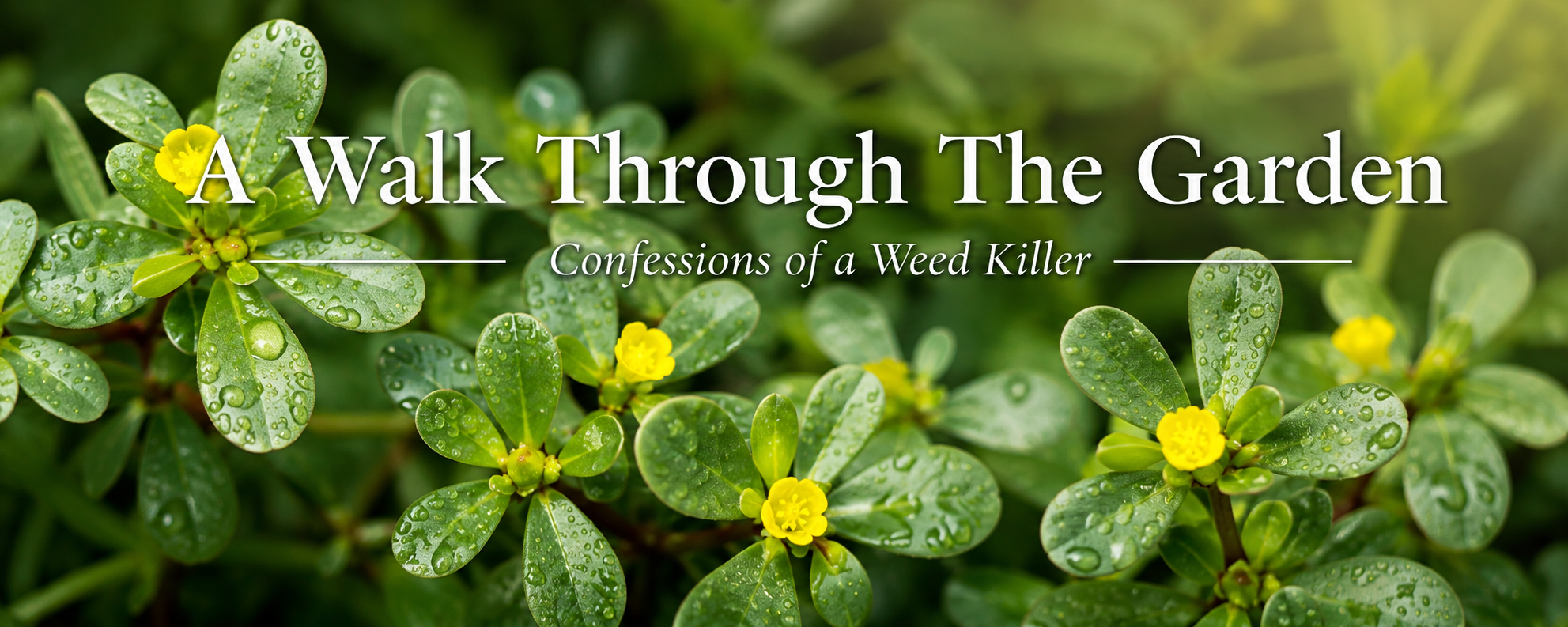
For as long as I can remember, purslane has been my gardening nemesis.
Every spring, it would appear as if by magic, spreading through my flower beds with the confidence of an uninvited relative planning to stay for dinner. I pulled it. Hoed it. Tossed it into the compost pile with great satisfaction. If there had been a "Most Wanted Weed" poster in my garage, purslane would have claimed the top spot.
Then I learned something that stopped me in my tracks: I had been declaring war on one of the healthiest plants in my garden.
Purslane may be labeled a weed, but nutritionally it punches far above its weight. It's one of the richest plant sources of omega-3 fatty acids, the heart-healthy fats more commonly associated with salmon and walnuts. It also contains generous amounts of vitamins A, C, and E, along with magnesium, potassium, calcium, iron, and an impressive lineup of antioxidants.
Not bad for a plant I've spent decades trying to eliminate.
Purslane has thick, succulent stems and smooth, paddle-shaped leaves that stay crisp even on hot summer days. Its flavor is mild, with a pleasant, slightly lemony tang that makes it surprisingly versatile in the kitchen.
The easiest way to enjoy it is fresh. Rinse it well, then toss it into a salad with tomatoes, cucumbers, red onion, feta cheese, olive oil, and a squeeze of lemon. Or sauté it for a few minutes with olive oil and garlic, then finish with a splash of lemon juice and a sprinkle of Parmesan cheese. It also disappears beautifully into scrambled eggs, vegetable soups, stir-fries, smoothies, yogurt dips, and even homemade pesto.
Who knew the "weed" you've been pulling all these years was quietly auditioning to become dinner?
Before you rush outside with a salad bowl instead of a hoe, one word of caution: harvest only purslane that has not been treated with chemicals, and avoid collecting it from roadsides where contaminants may be present. Purslane is relatively high in oxalates, so people with a history of calcium oxalate kidney stones should enjoy it in moderation.
Gardeners often spend small fortunes on "superfoods" at the grocery store, only to unknowingly pull purslane out by the handful and throw it away. Nature has a wonderful sense of humor.
Sometimes the healthiest thing growing in your garden isn’t the tomato, the pepper, or the lettuce.
Sometimes it's the weed you've been fighting all your life.
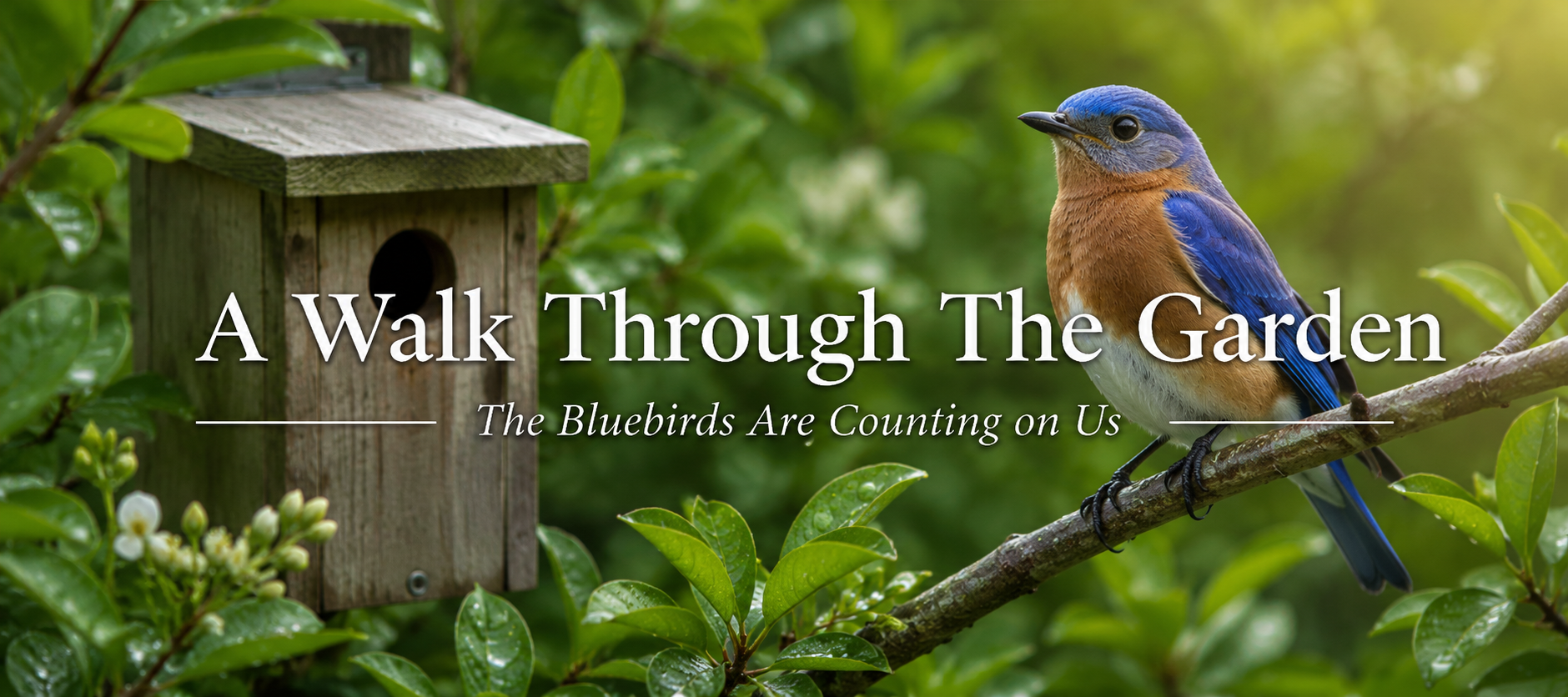
A Nest Box Is Just the Beginning
Many bird lovers believe that hanging a nest box is a good deed for native birds. While nest boxes provide valuable nesting habitat, installing one isn't enough. An unmonitored nest box can do more harm than good.
If you install a nest box, be prepared to monitor it regularly throughout the nesting season. A quick visit once or twice a week can make all the difference.
One of the greatest threats to cavity-nesting birds in the US is the non-native House Sparrow (HOSP). These aggressive birds compete fiercely for nesting sites and will destroy eggs, nestlings, and even adult bluebirds to claim a nest box. Monitoring should begin in March and continue through late September, as HOSPs often raise multiple broods and may use nest boxes well into the fall.
Setting Up a Successful Nest Box
Mount the nest box on a pole rather than a tree, and choose a side-opening design for easy monitoring and cleaning. Place it near a tree, shrub, or fence, so fledglings have a nearby landing spot for their first flights. Position the box to receive morning sun and afternoon shade.
When checking a nest box, approach quietly. Speaking softly, whistling, or singing a few notes often encourages a roosting female to leave. Open the door slowly, inspect the contents briefly, then close it again.
The Rewards of Monitoring
One of the joys of monitoring is watching a bluebird family grow. Parents may raise a second brood, sometimes with help from their earlier fledglings. Bluebirds have made a remarkable comeback in many areas thanks to conservation efforts and homeowners who provide nesting sites.
Recognizing House Sparrow Nests
Although removing HOSP nests or eggs may seem harsh, many bluebird enthusiasts change their minds after seeing the damage these birds can cause. HOSP nests are typically messy collections of long grasses mixed with feathers, string, paper, and other debris. In contrast, bluebird nests are neat cups made of fine grasses or pine needles.
European settlers introduced House Sparrows to North America, and they have since become one of the continent’s most widespread bird species. Unlike native birds, they are not protected by federal law.
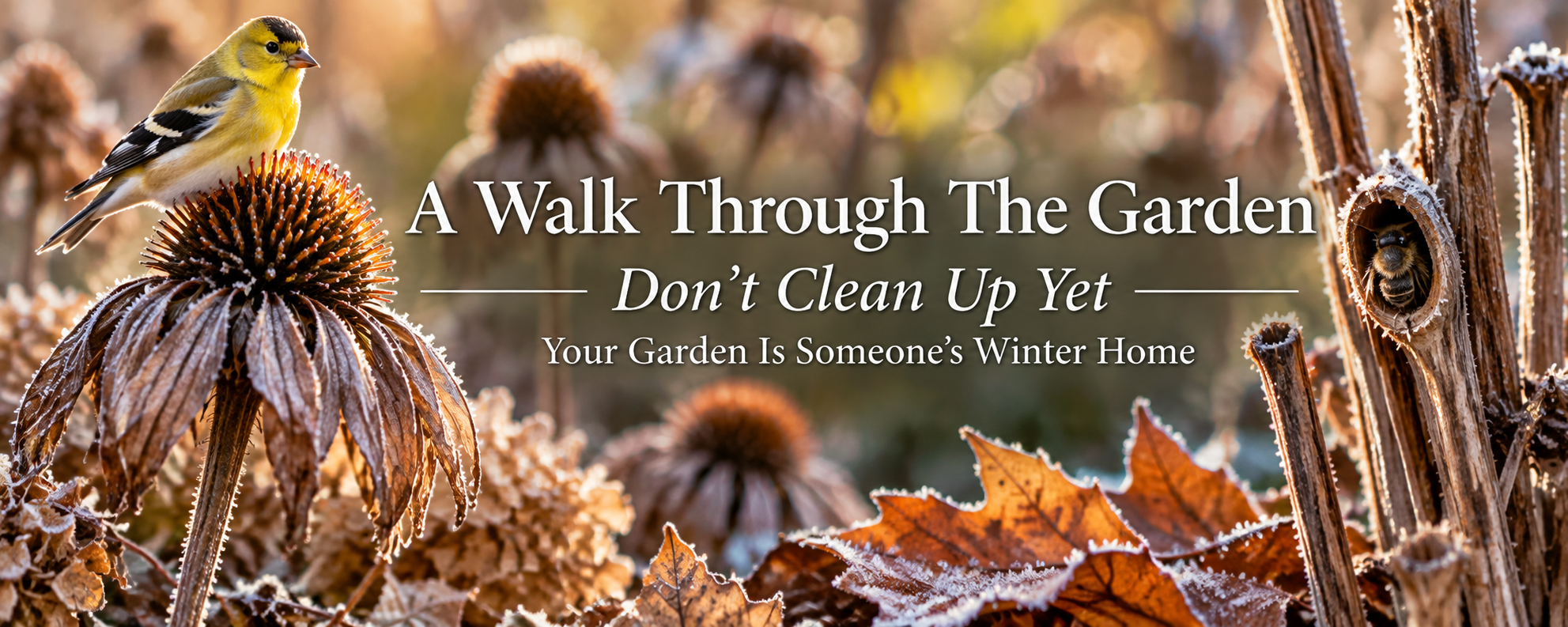
As autumn arrives, the flowers fade, and gardeners begin the annual cleanup. We cut down dead stalks, rake every leaf, clear the flower beds, and congratulate ourselves on putting the garden to bed.
But what if the garden isn’t empty? What seems dead to us may be a living winter neighborhood. Perhaps we need to rethink what a beautiful autumn garden looks like.
Many beneficial insects spend the winter in hollow or pithy plant stems. Small carpenter bees, mason bees, and other native bees may use these protected spaces for shelter. Cutting and hauling away the stems can mean removing next year’s pollinators, too.
And don’t be too quick to remove the leaves. Butterflies, moths, caterpillars, beetles, and other insects overwinter in or beneath fallen leaves. Some spend the winter as eggs or larvae; others as pupae or adults. A chrysalis or cocoon can be so well camouflaged among dried leaves that we may never know it is there.
When cold weather arrives, most of a bumble bee colony dies, but the queens survive to establish new colonies the following spring. They often spend the winter just beneath the soil, where a layer of fallen leaves provides extra insulation. About 70 percent of native bee species nest in the ground.
Standing plants offer benefits beyond attracting insects. Seed heads from coneflowers, sunflowers, and other flowers provide winter food for birds. Brush piles, fallen branches, and pieces of dead wood create shelter for countless small creatures.
This doesn’t mean your yard has to look abandoned. Instead of bagging or shredding them, gently rake leaves from lawns and walkways into flower beds. Of course, remove diseased plant material when appropriate.
In early spring, resist the urge to clean everything up. Many insects are tucked safely inside stems, beneath leaves, or underground. Give them time to emerge.
Now that you know, resist the urge to tidy quite so much. Leave stems standing. Let leaves remain beneath the shrubs and among the flowers. Remind yourself that it isn’t really messy at all.
It’s somebody’s home.
More walks through the garden are coming soon.